Speed Up Wound Healing Strategies: Tips for Faster Recovery
- William Muro
- Mar 9
- 4 min read

When you have a wound, whether from surgery, an injury, or a chronic condition, you want it to heal as quickly and safely as possible. Healing is a natural process, but there are ways you can support your body to speed up recovery. Taking care of your wound properly can reduce pain, prevent infection, and help you get back to your daily life sooner. This guide shares gentle, effective tips to help you on your healing journey.
Essential Speed Up Wound Healing Strategies
Healing a wound well requires attention and care. Here are some key strategies to help your body repair itself faster:
Keep the wound clean: Gently wash the area with mild soap and water. Avoid harsh chemicals or scrubbing, which can irritate the skin.
Protect the wound: Use a sterile dressing or bandage to shield the wound from dirt and bacteria. Change dressings regularly to keep the area fresh.
Stay hydrated and eat well: Your body needs fluids and nutrients like protein, vitamins C and A, and zinc to build new tissue.
Avoid smoking and alcohol: These can slow down blood flow and delay healing.
Manage underlying health conditions: If you have diabetes or circulation problems, controlling these can make a big difference in how quickly your wound heals.
Rest and elevate: Giving your body time to heal and keeping the wound elevated can reduce swelling and improve blood flow.
By following these steps, you create the best environment for your wound to heal quickly and safely.
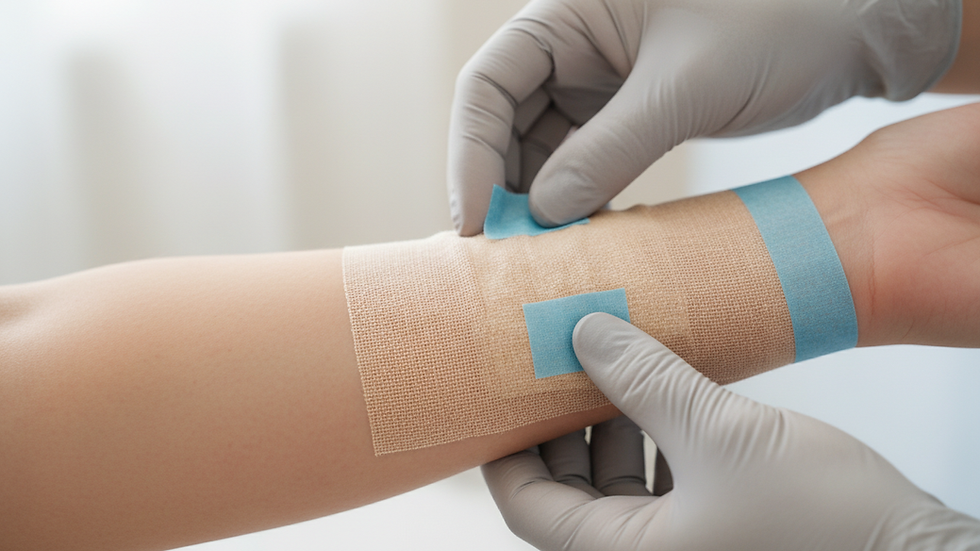
Do Wounds Heal Faster, Dry or Moist?
You might wonder whether it’s better to keep a wound dry or moist. Research and wound care experts agree that moist wounds heal faster than dry ones. Here’s why:
A moist environment helps new skin cells grow and migrate across the wound.
It reduces pain and scabbing, which can slow healing.
Moisture prevents the wound from drying out and cracking, which can cause reopening or infection.
Using modern wound dressings that maintain moisture, like hydrocolloids or silicone gels, can speed up healing. However, it’s important to keep the wound clean and change dressings as recommended to avoid excess moisture that could cause infection.
If you’re unsure about the best dressing for your wound, a healthcare professional can guide you on the right choice.

How Nutrition Supports Healing
Your body needs fuel to repair damaged skin and tissue. Eating a balanced diet rich in certain nutrients can make a real difference:
Protein: Found in lean meats, beans, and dairy, protein helps build new cells.
Vitamin C: Citrus fruits, strawberries, and peppers boost collagen production, essential for skin strength.
Vitamin A: Carrots, sweet potatoes, and leafy greens support skin repair.
Zinc: Nuts, seeds, and whole grains help with immune function and tissue growth.
Hydration: Drinking plenty of water keeps your skin supple and supports circulation.
If you have trouble eating well or have special dietary needs, consider speaking with a dietitian. They can help tailor a plan to support your wound healing.
Preventing Infection: A Key to Faster Healing
Infections can delay healing and cause complications. You can reduce your risk by:
Washing your hands before touching the wound.
Keeping the wound covered with a clean dressing.
Avoiding exposure to dirt, pets, or unclean water.
Watching for signs of infection like redness, swelling, warmth, or pus.
Seeking medical advice promptly if you notice any infection symptoms.
Taking these precautions helps your body focus on healing rather than fighting infection.
The Role of Advanced Wound Care Clinics
Sometimes wounds need more than basic care to heal well, especially if they are chronic or slow to improve. Advanced wound care clinics offer specialized treatments and expert support. They can provide:
Comprehensive wound assessments.
Advanced dressings and therapies.
Fast appointments to prevent delays.
Support with transportation to make care accessible.
If you want to learn more about how to speed up wound healing, these clinics can be a valuable resource. They help patients regain quality of life by promoting faster, safer healing.
Gentle Movement and Wound Healing
While rest is important, gentle movement can also support healing by improving circulation. Depending on your wound type and location, light activities like walking or stretching may be beneficial. Always follow your healthcare provider’s advice on activity levels to avoid putting stress on the wound.
Creating a Healing-Friendly Environment at Home
Your home environment plays a role in your recovery. Here are some tips to make it more healing-friendly:
Keep your wound care supplies organized and accessible.
Maintain a clean space to reduce infection risk.
Use pillows or cushions to elevate the wound if needed.
Ensure good lighting to check your wound regularly.
Have a support system in place for help with dressing changes or transportation.
Small changes can make your healing process smoother and less stressful.
Encouragement for Your Healing Journey
Healing takes time, and every wound is unique. Remember to be patient and kind to yourself. Celebrate small improvements and stay consistent with your care routine. Many people have successfully healed challenging wounds by following these strategies and seeking the right support.
You are not alone on this path. With the right care and resources, you can look forward to recovery and renewed strength.

Taking these steps can help you speed up wound healing safely and effectively. If you need expert care or fast access to advanced treatments, consider reaching out to a local wound care clinic. Your healing journey is important, and support is available to help you every step of the way.


Comments