Understanding Vascular Wound Care Options
- William Muro
- Apr 27
- 3 min read

When you face a wound that just won’t heal, it can feel overwhelming. Vascular wounds, caused by problems with blood flow, need special attention and care. But there is hope. With the right knowledge and support, you can take steps toward healing and comfort. This guide will walk you through what vascular wounds are, the care options available, and how you can actively participate in your recovery.
What Are Vascular Wounds?
Vascular wounds happen when blood circulation is impaired. Your body relies on healthy blood flow to bring oxygen and nutrients to tissues and to remove waste. When this flow is blocked or slowed, wounds can form or existing wounds may fail to heal properly.
There are two main types of vascular wounds:
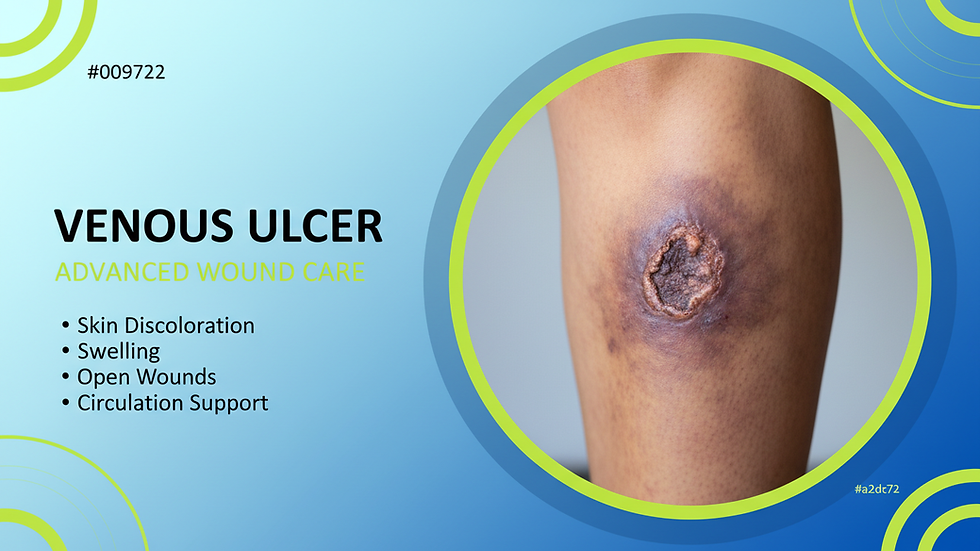
Venous ulcers: These occur when veins have trouble sending blood back to the heart. They often appear on the lower legs and can be painful or itchy.
Arterial ulcers: These happen when arteries are narrowed or blocked, reducing blood flow to the skin. They tend to be more painful and may appear on the feet or toes.
Both types require careful care because the underlying blood flow issues must be addressed to promote healing.
Exploring Vascular Wound Care Options
When it comes to caring for vascular wounds, you have several options that can help speed healing and reduce discomfort. The key is to combine wound care with treatments that improve circulation.
Here are some common vascular wound care options:
Compression therapy: For venous ulcers, compression stockings or bandages help improve blood flow by gently squeezing the legs. This reduces swelling and supports healing.
Wound dressings: Specialized dressings keep the wound moist and protected. They can also absorb excess fluid and prevent infection.
Medications: Sometimes antibiotics or other medicines are needed to treat infections or improve blood flow.
Lifestyle changes: Elevating your legs, staying active, and eating a balanced diet can support your body’s healing process.
Surgical interventions: In some cases, procedures to restore blood flow may be necessary.
Each option plays a role in a comprehensive care plan tailored to your needs. Your healthcare provider will help you decide which treatments are best for you.

How to Treat a Vascular Wound?
Treating a vascular wound involves several important steps you can take at home and with your care team:
Keep the wound clean: Gently wash the area with mild soap and water. Avoid harsh scrubbing.
Apply dressings as directed: Use the recommended dressings to protect the wound and maintain moisture.
Use compression if advised: Wear compression stockings or bandages consistently to help blood flow.
Monitor for signs of infection: Look for increased redness, swelling, warmth, or discharge. Contact your provider if you notice these.
Manage pain: Over-the-counter pain relievers can help, but always check with your healthcare provider.
Follow up regularly: Keep appointments with your wound care team to track progress and adjust treatment.
Remember, healing takes time. Patience and consistent care are your allies.
Supporting Your Healing Journey
Healing a vascular wound is not just about treatments. It’s about caring for your whole self. Here are some tips to support your recovery:
Stay active: Gentle walking or leg exercises can improve circulation.
Eat well: Focus on foods rich in vitamins C and E, zinc, and protein to support tissue repair.
Avoid smoking: Smoking narrows blood vessels and slows healing.
Manage other health conditions: Keep diabetes, high blood pressure, and cholesterol under control.
Seek help when needed: Don’t hesitate to ask for transportation or assistance to your wound care clinic.
At Top One Advanced Wound Care, we understand how important it is to have easy access to care. That’s why we offer fast appointments and free transportation to help you get the treatment you need without added stress.
Finding Hope in Healing
Many people with vascular wounds have found success through dedicated care and support. With the right approach, wounds that once seemed impossible to heal can improve significantly. You are not alone on this path.
If you want to learn more about vascular wound management, remember that expert help is available close to home. Healing is possible, and every step you take brings you closer to comfort and renewed quality of life.
Your journey matters, and with the right care, brighter days are ahead.


Comments