Effective Strategies for Sacral Wound Treatment Tips
- William Muro
- Jan 20
- 4 min read

Updated: Jan 24
When dealing with wounds in the sacral area, it’s important to approach care with patience, kindness, and knowledge. These wounds can be challenging, but with the right strategies, healing is possible. We want to share practical advice that feels supportive and clear, helping you or your loved ones feel empowered every step of the way. Together, we can explore ways to promote healing, prevent complications, and restore comfort.
Understanding Sacral Wound Treatment Tips
Sacral wounds, often caused by prolonged pressure, require special attention. The sacrum is the lower part of the spine, near the tailbone, and wounds here can be painful and slow to heal. Our first step is understanding the nature of these wounds. They often develop when skin and tissue are compressed for long periods, reducing blood flow and causing damage.
To care for these wounds effectively, we need to focus on:
Relieving pressure: Changing positions regularly to avoid constant pressure on the sacral area.
Keeping the wound clean: Preventing infection by gentle cleansing.
Maintaining moisture balance: Using dressings that keep the wound moist but not wet.
Supporting nutrition: Eating well to provide the body with healing nutrients.
By following these tips, we create an environment where the body can repair itself naturally.
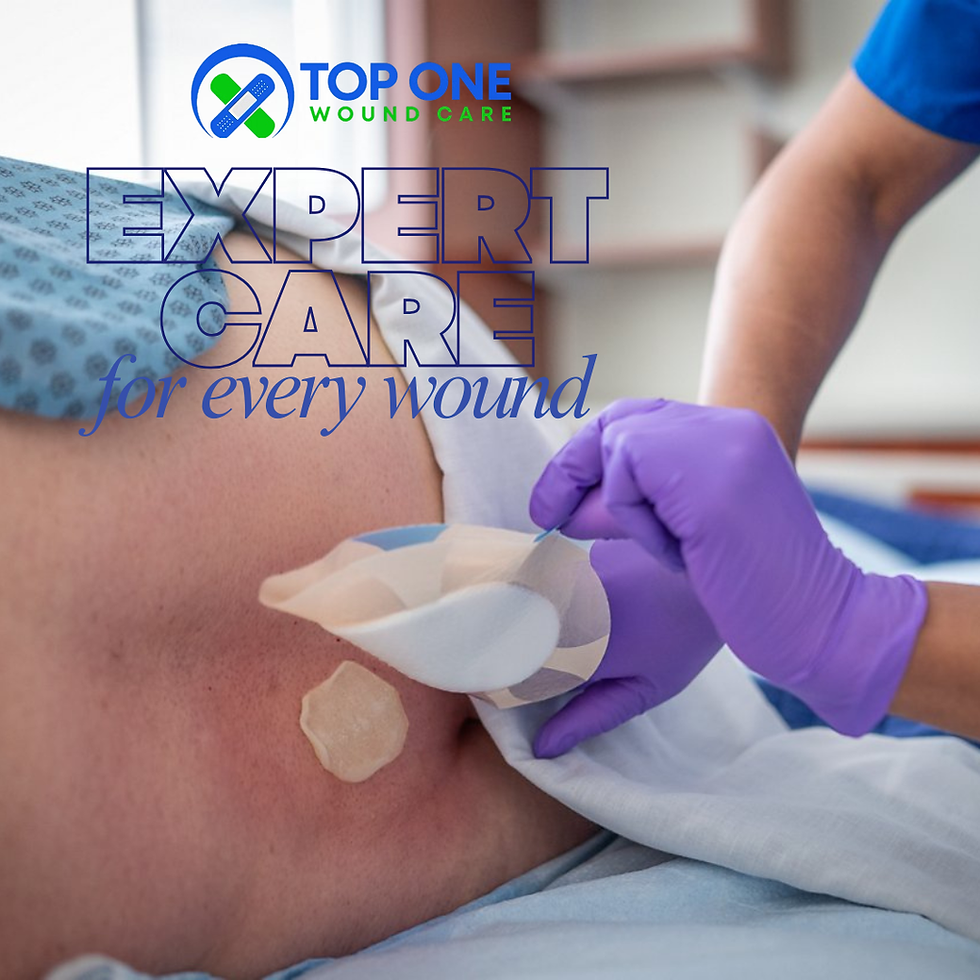
Practical Sacral Wound Treatment Tips for Daily Care
Daily care routines are the backbone of successful healing. Here are some simple yet effective tips to include in your care plan:
Repositioning: Aim to change position every two hours if bedridden. Use pillows or foam wedges to offload pressure from the sacral area.
Gentle cleansing: Use saline solution or mild wound cleansers. Avoid harsh soaps or scrubbing, which can irritate the skin.
Appropriate dressings: Choose dressings that suit the wound’s stage. Hydrocolloid or foam dressings often work well to maintain moisture and protect the wound.
Monitor for infection: Watch for redness, swelling, or unusual discharge. If these signs appear, seek medical advice promptly.
Hydration and nutrition: Drink plenty of fluids and eat a balanced diet rich in protein, vitamins C and A, and zinc to support tissue repair.
Consistency is key. By following these steps every day, we give the wound the best chance to heal.
What to Put on a Sacral Wound?
Choosing the right dressing or topical treatment can feel overwhelming. Let’s break it down simply:
Hydrocolloid dressings: These are great for wounds with light to moderate drainage. They keep the wound moist and protect it from bacteria.
Foam dressings: Ideal for wounds with more drainage, foam dressings absorb excess fluid while cushioning the area.
Alginate dressings: Made from seaweed, these are useful for wounds with heavy drainage. They help control moisture and promote healing.
Antimicrobial dressings: If infection is a concern, dressings containing silver or iodine can help reduce bacteria.
Topical ointments: Sometimes, gentle antibiotic ointments or barrier creams are recommended to protect surrounding skin.
Always follow the advice of your healthcare provider when selecting dressings. Changing dressings as recommended keeps the wound clean and supports healing.

Preventing Sacral Wounds: Tips for Long-Term Care
Prevention is just as important as treatment. For those at risk, here are some ways to reduce the chance of developing sacral wounds:
Regular movement: Encourage gentle activity or repositioning to improve circulation.
Skin inspection: Check the sacral area daily for any signs of redness or breakdown.
Moisturise skin: Keep skin hydrated to prevent dryness and cracking.
Use pressure-relieving devices: Special cushions or mattresses can help distribute weight evenly.
Manage underlying health conditions: Conditions like diabetes or poor circulation can slow healing, so managing these is crucial.
By incorporating these habits, we create a protective routine that supports skin health and overall wellbeing.
Embracing Healing: Stories of Hope and Recovery
Healing from a sacral wound can feel like a long journey, but many have found success through consistent care and support. One patient shared how daily repositioning and the right dressings transformed their wound over weeks. Another found that improving nutrition and hydration made a significant difference in their energy and skin health.
These stories remind us that healing is possible. With patience, the right tools, and a caring approach, wounds can improve, and quality of life can be restored. We encourage you to stay hopeful and keep taking small, steady steps toward recovery.
For more detailed guidance on sacral wound care, please visit our resource page. We are here to support you with expert advice and compassionate care.
Moving Forward with Confidence and Care
Taking care of sacral wounds requires dedication, but you are not alone. By understanding the wound, following practical treatment tips, and embracing prevention, we can work together toward healing. Remember, every small action counts - from repositioning to choosing the right dressing.
We hope this guide has offered clarity and comfort. Healing is a journey, and with the right support, it is within reach. Let’s continue to care with kindness, knowledge, and hope. Your wellbeing matters deeply, and together, we can make a positive difference every day.


Comments