Mastering the Wound Care Essentials for Better Healing
- William Muro
- Jan 19
- 4 min read

When it comes to healing wounds, understanding the essentials can make a significant difference in recovery and comfort. Whether you or a loved one is dealing with a diabetic foot ulcer, a pressure sore, or a post-surgical wound, knowing how to care for these injuries properly is crucial. We are here to guide you through the basics with clear, compassionate advice that empowers you to take control of your healing journey.
Wound care is more than just cleaning and covering a wound. It involves a thoughtful approach that promotes healing, prevents infection, and reduces complications. With the right knowledge and support, you can improve outcomes and regain confidence in managing wounds at home or in care settings.
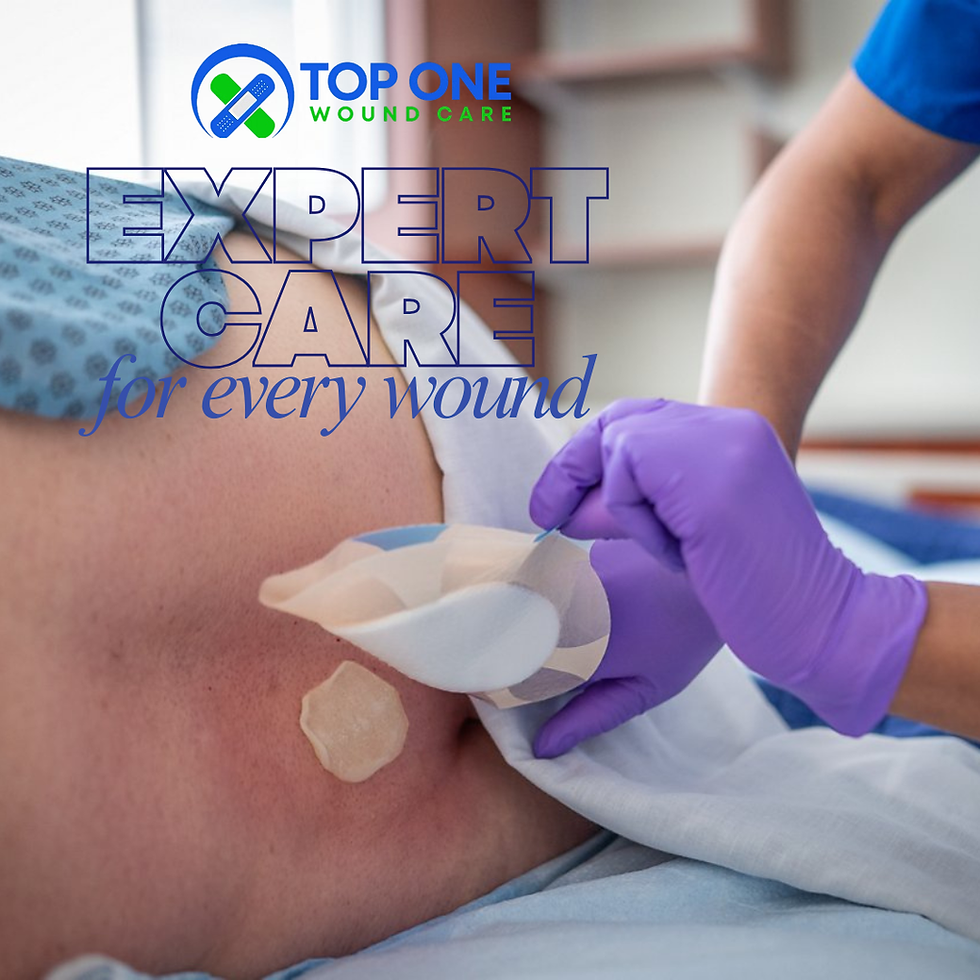
Understanding Wound Care Essentials
Wound care essentials involve a combination of steps and practices designed to support the body’s natural healing process. These include cleaning the wound, protecting it from further injury, managing pain, and monitoring for signs of infection. We focus on practical, easy-to-follow methods that anyone can apply safely.
One of the first things to remember is that wounds need a clean environment to heal. This means gently washing the area with mild soap and water or a saline solution. Avoid harsh chemicals or scrubbing, which can damage delicate new tissue. After cleaning, it’s important to keep the wound moist but not wet, as this balance encourages faster healing.
We also emphasize the importance of changing dressings regularly. This prevents bacteria buildup and keeps the wound protected from dirt and germs. Using the right type of dressing depends on the wound’s size, depth, and drainage. For example, hydrocolloid dressings are excellent for wounds that need moisture retention, while foam dressings absorb excess fluid.
In addition to physical care, nutrition plays a vital role. Eating a balanced diet rich in protein, vitamins C and A, and zinc supports tissue repair. Staying hydrated and avoiding smoking also contribute to better healing outcomes.
For those managing chronic wounds, such as diabetic foot ulcers or venous leg ulcers, advanced treatments may be necessary. These include therapies like vacuum-assisted closure, amniotic skin grafts, and hyperbaric oxygen therapy. These options are often covered by Medicare, making them accessible to many patients.
We encourage you to learn more about wound care basics to build a strong foundation for managing wounds effectively.
What are the 5 Rules of Wound Care?
To simplify wound care, we follow five essential rules that help ensure safe and effective healing:
Clean the wound gently - Use mild soap and water or saline to remove debris without causing trauma.
Protect the wound - Apply an appropriate dressing to shield the area from infection and further injury.
Keep the wound moist - Maintain a moist environment to promote cell growth and reduce scarring.
Change dressings regularly - Replace dressings as recommended to prevent infection and monitor healing.
Watch for signs of infection - Look for redness, swelling, increased pain, or discharge and seek medical advice promptly.
Following these rules consistently can prevent complications and speed up recovery. If you notice any unusual symptoms or if the wound does not improve, it’s important to consult a healthcare professional.

Advanced Wound Care Treatments and Medicare Coverage
For wounds that are slow to heal or complicated by underlying conditions, advanced treatments offer hope and improved outcomes. We work closely with specialists to provide therapies that go beyond basic care.
Some of the advanced options include:
Vacuum-Assisted Closure (VHT): This therapy uses controlled suction to remove excess fluid and promote blood flow to the wound.
Amniotic Skin Grafts: These grafts use natural tissue to support healing and reduce inflammation.
Non-Thermal Ultrasound: This treatment stimulates tissue repair without heat damage.
Hyperbaric Oxygen Therapy: Patients breathe pure oxygen in a pressurized chamber to enhance oxygen delivery to damaged tissues.
These treatments are often covered by Medicare Part B, making them accessible to eligible patients. Coverage helps reduce out-of-pocket costs and ensures that you receive the best possible care without financial stress.
We coordinate care with your primary physician and specialists to create a personalized plan that fits your needs. Our goal is to help you heal faster, avoid hospital stays, and improve your quality of life.
Tips for Families and Caregivers Supporting Wound Healing
Caring for someone with a wound can feel overwhelming, but your support is vital. Here are some practical tips to help you provide the best care:
Stay informed: Learn about the specific wound type and treatment plan.
Maintain hygiene: Wash your hands before and after dressing changes.
Observe closely: Monitor the wound daily for changes or signs of infection.
Encourage mobility: Help the patient move safely to improve circulation.
Promote nutrition: Assist with meal planning to ensure a healing-friendly diet.
Communicate with providers: Keep in touch with healthcare teams for guidance and updates.
Remember, you are not alone. We are here to support you with resources, training, and compassionate advice. Together, we can create a healing environment that fosters recovery and comfort.
Preventing Wounds and Promoting Long-Term Health
Prevention is always better than treatment. Taking steps to avoid wounds, especially if you have risk factors like diabetes or poor circulation, can save you from pain and complications.
Here are some prevention strategies:
Inspect skin daily: Check for redness, blisters, or pressure points.
Manage chronic conditions: Keep blood sugar and blood pressure under control.
Wear proper footwear: Choose shoes that fit well and protect your feet.
Keep skin moisturized: Dry skin can crack and lead to wounds.
Avoid prolonged pressure: Change positions frequently if you are immobile.
Stay active: Gentle exercise improves circulation and skin health.
By adopting these habits, you reduce the chance of developing wounds and support your overall well-being.
We believe that with the right knowledge and care, healing is possible for everyone. Our team is committed to walking alongside you every step of the way.
If you or a loved one needs expert wound care, remember that advanced treatments and compassionate support are available. Together, we can master the wound care essentials and achieve real healing outcomes.
Thank you for trusting us as your partner in health.


Comments