Harnessing Hyperbaric Oxygen Therapy for Healing
- William Muro
- Dec 2, 2025
- 4 min read

Updated: Dec 4, 2025
When wounds don’t heal as expected, it can be frustrating and worrying. Chronic wounds like diabetic foot ulcers, venous leg ulcers, pressure ulcers, and post-surgical wounds need special care. We understand how important it is to find treatments that work and bring real relief. One advanced option that has shown promising results is hyperbaric oxygen therapy. This therapy helps your body heal by increasing oxygen supply to damaged tissues. Let’s explore how this treatment can support your healing journey and improve your quality of life.
Understanding Oxygen Therapy for Wounds
Oxygen is essential for healing. When you have a wound, your body needs more oxygen to repair damaged skin and tissues. Sometimes, due to poor circulation or other health issues, wounds don’t get enough oxygen. This slows down healing and increases the risk of infection.
Oxygen therapy for wounds works by delivering extra oxygen directly to the affected area. This boosts the body’s natural repair processes. It helps new blood vessels grow, fights bacteria, and reduces swelling. The result is faster healing and less pain.
There are different ways to provide oxygen therapy. One of the most effective is through a special treatment called hyperbaric oxygen therapy. This involves breathing pure oxygen in a pressurized chamber. The increased pressure allows oxygen to dissolve more easily in your blood and reach deep into tissues.

This therapy is safe and painless. Sessions usually last about 60 to 90 minutes, and you may need multiple treatments depending on your wound’s severity. Our team works closely with you to create a personalised plan that fits your needs and lifestyle.
How Oxygen Therapy for Wounds Supports Healing
Oxygen therapy helps wounds heal in several important ways:
Improves blood flow: Oxygen encourages new blood vessels to form, bringing nutrients and immune cells to the wound.
Fights infection: Higher oxygen levels make it harder for bacteria to survive and help your immune system work better.
Reduces inflammation: Oxygen helps calm swelling and redness, which can speed up recovery.
Stimulates tissue repair: Oxygen supports the growth of new skin cells and collagen, essential for closing wounds.
Enhances antibiotic effectiveness: When combined with antibiotics, oxygen therapy can improve treatment success.
By addressing these key factors, oxygen therapy can turn slow-healing wounds into healing wounds. This means less discomfort for you and a lower chance of complications like infections or hospital stays.
What Conditions Are Covered for Hyperbaric Oxygen Therapy?
Certain wounds and conditions qualify for coverage under Medicare Part B when treated with hyperbaric oxygen therapy. This makes advanced care more accessible and affordable for many patients. Conditions commonly covered include:
Diabetic foot ulcers: These wounds often resist healing due to poor circulation and nerve damage. Oxygen therapy can help close these ulcers and prevent amputations.
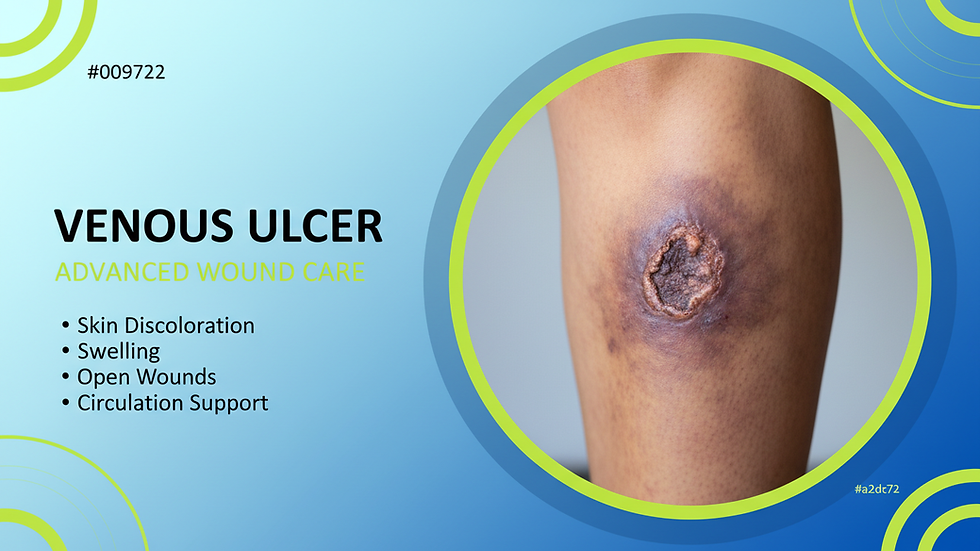
Venous leg ulcers: Caused by poor blood flow in the legs, these ulcers benefit from improved oxygen delivery to support healing.
Pressure ulcers (bedsores): Common in people with limited mobility, these wounds heal faster with oxygen therapy.
Post-surgical wounds: When surgical wounds don’t heal properly, oxygen therapy can reduce infection risk and promote tissue repair.
Radiation injuries: Damage from radiation treatment can be treated effectively with oxygen therapy.
Certain infections: Some stubborn infections respond well to oxygen therapy as part of a comprehensive treatment plan.
We carefully evaluate each patient to determine if hyperbaric oxygen therapy is the right choice. Our goal is to provide treatments that are both effective and covered by Medicare, reducing your out-of-pocket costs.

What to Expect During Your Treatment
Starting oxygen therapy might feel new or unfamiliar, but we are here to guide you every step of the way. Here’s what you can expect:
Initial assessment: We review your medical history, wound condition, and overall health to create a tailored treatment plan.
Treatment sessions: You will lie comfortably inside a pressurized chamber. You breathe pure oxygen through a mask or hood. The pressure is gently increased to help oxygen reach deep tissues.
Duration and frequency: Sessions typically last 60 to 90 minutes. Most patients need 20 to 40 sessions, depending on wound severity and response.
Monitoring: Our team monitors your progress closely. We adjust treatment as needed to ensure the best results.
Safety: The therapy is non-invasive and painless. Side effects are rare but may include mild ear discomfort due to pressure changes.
We also provide education on wound care at home, nutrition, and lifestyle changes that support healing. Our approach is holistic, focusing on your overall well-being.
Empowering You and Your Loved Ones
Healing chronic wounds can be challenging, but you are not alone. We partner with you and your family to provide compassionate care and clear information. Here are some ways we support you:
Clear communication: We explain treatments in simple terms and answer your questions.
Home care guidance: Learn how to care for wounds safely at home to prevent infections and promote healing.
Prevention tips: Discover lifestyle changes that reduce the risk of new wounds, such as managing blood sugar, staying active, and protecting your skin.
Coordination with your healthcare team: We work closely with your doctors and specialists to ensure seamless care.
Access to advanced therapies: Benefit from the latest wound care technologies covered by Medicare.
Our goal is to help you regain comfort, mobility, and confidence. Healing is possible, and we are here to make that journey smoother.
We invite you to explore how hyperbaric oxygen therapy can be a valuable part of your wound care plan. With expert care, advanced treatments, and a supportive team, better healing outcomes are within reach. Reach out to us today to learn more about your options and take the next step toward recovery.

Comments