Why Wound Recovery Training Matters for Better Healing Outcomes
- William Muro
- Jan 6
- 4 min read

Updated: Jan 14
When dealing with chronic or hard-to-heal wounds, knowledge is power. Understanding how wounds heal and what steps to take can make a significant difference in recovery. At Top One Advanced Wound Care, we believe that wound recovery training is essential for patients, families, and healthcare providers alike. It empowers you to take control of your healing journey and helps us work together to achieve the best possible outcomes.
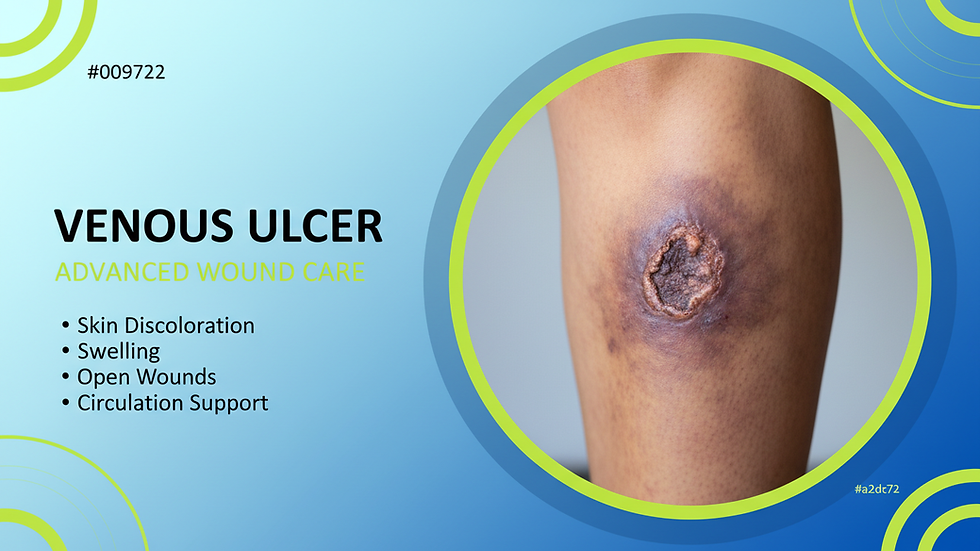
Wounds like diabetic foot ulcers, venous leg ulcers, pressure ulcers, and post-surgical wounds require specialized care. Without proper education, wounds can worsen, leading to infections, hospitalizations, and reduced quality of life. That is why we focus on providing clear, compassionate, and practical wound recovery training that supports healing and prevents complications.

The Importance of Wound Recovery Training
Wound recovery training is more than just instructions on dressing changes. It is a comprehensive approach that includes understanding the wound type, recognising signs of infection, managing pain, and knowing when to seek help. This training helps you:
Prevent complications by identifying early warning signs.
Promote faster healing through proper wound care techniques.
Reduce hospital visits by managing wounds effectively at home or in care facilities.
Improve quality of life by reducing pain and discomfort.
Navigate Medicare coverage for advanced wound care treatments.
By learning about wound care, you become an active participant in your recovery. This partnership between you and your care team builds trust and confidence, making the healing process smoother and less stressful.
How Wound Recovery Training Supports Advanced Treatments
At Top One Advanced Wound Care, we use cutting-edge therapies such as amniotic skin grafts, vacuum-assisted healing (VHT), non-thermal ultrasound, and hyperbaric oxygen therapy. These treatments can accelerate healing, but they require proper care and monitoring to be effective.
Wound recovery training ensures you understand:
How these advanced therapies work.
What to expect during treatment.
How to care for your wound between sessions.
The importance of follow-up appointments.
This knowledge helps you stay engaged and motivated, which is crucial for healing. It also helps prevent setbacks caused by improper care or missed signs of infection.

How to educate a patient on wound healing?
Educating a patient on wound healing involves clear communication, practical demonstrations, and ongoing support. Here are some effective strategies we use:
Use simple language - Avoid medical jargon. Explain terms like “ulcer” or “infection” in everyday words.
Visual aids - Show pictures or videos of wound care steps to make instructions easier to follow.
Hands-on training - Demonstrate dressing changes and allow patients or caregivers to practice under supervision.
Written materials - Provide easy-to-read guides and checklists for home care.
Encourage questions - Create a safe space for patients to ask about their concerns or symptoms.
Regular follow-up - Schedule check-ins to review progress and adjust care plans as needed.
Highlight Medicare coverage - Explain what treatments and services are covered to reduce financial worries.
By combining these methods, we help patients and families feel confident and supported throughout the healing process.
Practical Tips for Wound Care at Home
Managing wounds at home can feel overwhelming, but with the right guidance, it becomes manageable. Here are some practical tips we share during wound recovery training:
Keep the wound clean and dry - Follow your care team’s instructions on cleaning and dressing changes.
Avoid pressure on the wound - Use cushions or special mattresses to reduce pressure, especially for pressure ulcers.
Maintain good nutrition - Eating a balanced diet rich in protein, vitamins, and minerals supports tissue repair.
Stay hydrated - Drink plenty of fluids to help your body heal.
Monitor for signs of infection - Look for redness, swelling, increased pain, or unusual discharge and report these immediately.
Manage underlying conditions - Control blood sugar if diabetic, and follow medical advice for circulation issues.
Stay active within limits - Gentle movement can improve circulation but avoid activities that strain the wound area.
These steps, combined with professional care, create the best environment for healing.
The Role of Families and Caregivers in Wound Recovery Training
Families and caregivers play a vital role in wound healing. They often assist with daily care and provide emotional support. Our wound recovery training includes guidance specifically for caregivers to:
Understand wound types and treatment goals.
Learn safe dressing change techniques.
Recognize early signs of complications.
Communicate effectively with healthcare providers.
Provide encouragement and reassurance to the patient.
By equipping caregivers with knowledge and skills, we help reduce anxiety and improve care consistency. This support system is crucial for patients with limited mobility or chronic wounds.
Partnering with Healthcare Providers for Seamless Care
Effective wound recovery requires coordination among specialists, primary care providers, and wound care teams. Our training programs extend to healthcare facilities and providers to:
Share best practices and evidence-based protocols.
Train staff on advanced wound care technologies.
Improve communication between care settings.
Ensure continuity of care during transitions (hospital to home, rehab to assisted living).
This collaborative approach reduces hospital readmissions and enhances patient outcomes. When everyone is informed and aligned, healing happens faster and more safely.
Empowering You Through Wound Healing Education
We are committed to providing you with the resources and support you need. Our wound healing education platform offers:
Easy-to-understand articles and videos.
Tips for prevention and early detection.
Information on Medicare coverage and advanced treatments.
Access to our network of wound care specialists.
Knowledge is a powerful tool in your healing journey. We encourage you to explore these resources and reach out with any questions.
Moving Forward with Confidence and Care
Wound recovery training is a cornerstone of effective wound management. It empowers you and your loved ones to take an active role in healing. With the right education, advanced treatments, and compassionate support, wounds that once seemed difficult to heal can improve significantly.
At Top One Advanced Wound Care, we are here to guide you every step of the way. Together, we can overcome challenges, prevent complications, and restore health and comfort. Your healing journey matters to us, and we are honoured to be your trusted partner.
If you or someone you care for is facing a chronic wound, don’t hesitate to seek expert help. With the right knowledge and care, better healing outcomes are within reach.
Thank you for trusting us with your care. We look forward to supporting you on your path to recovery.

Comments