Diabetic Foot Care Clinics: What to Expect
- William Muro
- Feb 23
- 5 min read

Living with wounds that take longer to heal can be challenging. When diabetes affects your feet, it’s important to have the right support and care. Diabetic foot care clinics are designed to help you manage and heal foot problems safely and effectively. These clinics offer specialised treatments, expert advice, and compassionate care to guide you on your healing journey.
Visiting a diabetic foot care clinic can feel overwhelming at first, but knowing what to expect can ease your mind. This article will walk you through the process, explain key concepts, and share practical tips to help you feel confident and hopeful about your care.
Understanding Diabetic Foot Care Clinics
Diabetic foot care clinics focus on preventing and treating foot complications related to diabetes. These clinics bring together healthcare professionals who understand the unique challenges you face. Their goal is to help you avoid serious problems like infections, ulcers, or even amputations.
When you visit a diabetic foot care clinic, you can expect a warm and welcoming environment. The team will listen carefully to your concerns and assess your feet thoroughly. They use advanced tools and techniques to check for issues such as poor circulation, nerve damage, or skin breakdown.
You will receive personalised care plans tailored to your needs. This might include wound care, advice on footwear, and education on how to protect your feet daily. The clinic may also offer fast appointments and even free transportation to make it easier for you to get the care you need.

What Happens During Your First Visit?
Your first visit to a diabetic foot care clinic is an important step. The team will start by reviewing your medical history and any previous foot problems. They will ask about your diabetes management, lifestyle, and any symptoms you may have noticed.
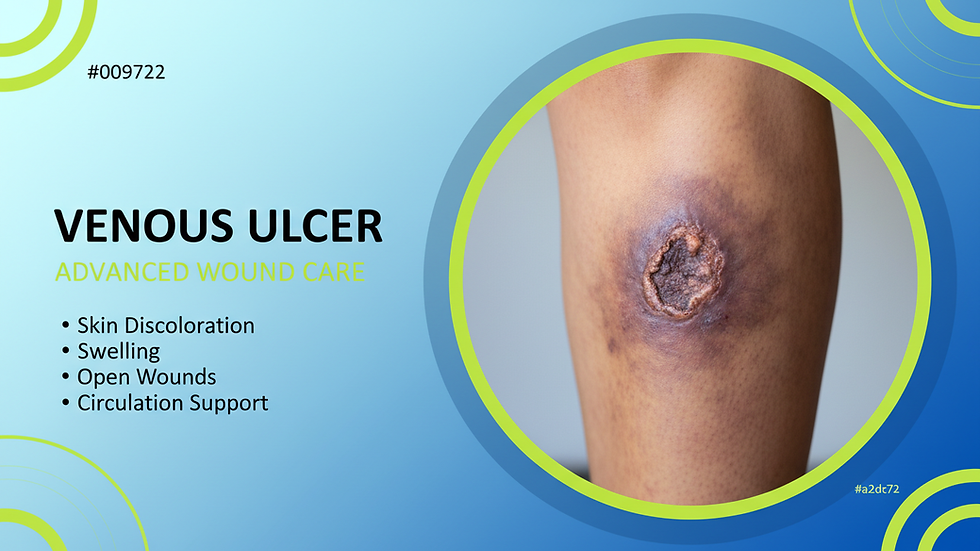
Next, a detailed foot examination will be done. This includes checking the skin for cuts, blisters, or ulcers. The healthcare provider will also test your foot’s sensation using simple tools to detect nerve damage. Circulation will be assessed by feeling pulses or using special devices.
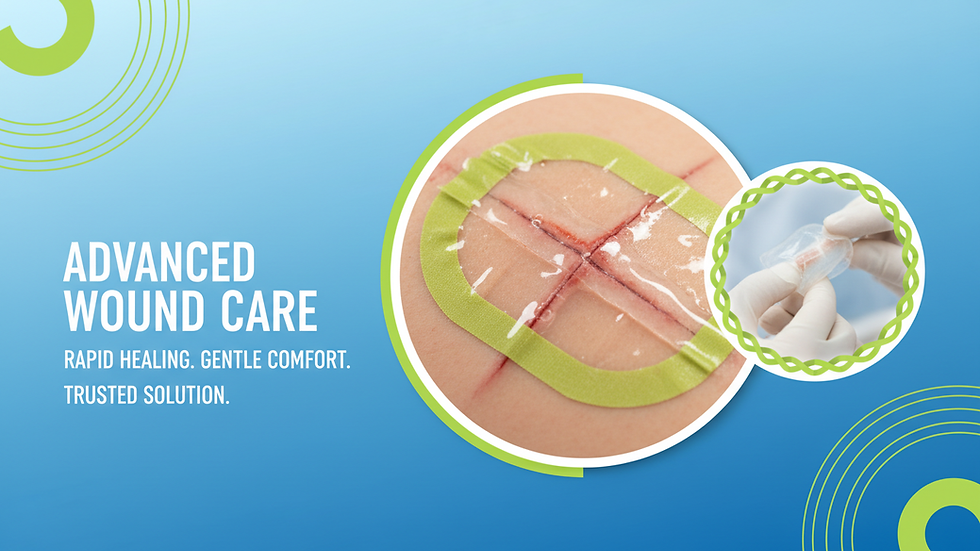
If you have wounds or ulcers, the clinic will clean and dress them carefully. They may take photographs to monitor healing over time. You will be shown how to care for your feet at home and given advice on when to seek help.
The team will discuss your treatment options and set realistic goals together. You might be referred to other specialists if needed, such as podiatrists or vascular surgeons. Throughout your visit, the focus will be on making you feel safe, supported, and informed.
What is the Rule of 50 for Diabetic Foot?
The "Rule of 50" is a helpful guideline used by healthcare professionals to assess the risk of foot complications in people with diabetes. It refers to three key measurements:
50 grams of pressure: If you cannot feel a 10-gram monofilament on your foot, it suggests nerve damage.
50 millimetres of mercury (mmHg): This is a measure of blood pressure in your foot. If it’s below 50 mmHg, circulation may be poor.
50%: This relates to the percentage of foot ulcers that heal within a certain time frame with proper care.
Understanding this rule helps the clinic team decide how urgent your treatment needs to be. It also guides them in choosing the best therapies to promote healing and prevent complications.
If you have concerns about numbness, cold feet, or wounds that won’t heal, mentioning these during your visit will help the team apply the Rule of 50 effectively.
How to Prepare for Your Visit
Preparing for your appointment can make the experience smoother and more productive. Here are some simple steps you can take:
Wear comfortable shoes and socks that you usually use.
Bring a list of your medications and any previous medical records related to your feet.
Note any changes or symptoms you have noticed, such as pain, swelling, or colour changes.
Avoid applying lotions or creams on your feet before the visit unless instructed.
Plan for transportation if you have mobility issues. Some clinics offer free transport to help you get there easily.
Remember, the clinic team is there to help you. Don’t hesitate to ask questions or share your worries. The more open you are, the better they can support your healing.
Tips for Daily Foot Care at Home
Taking care of your feet every day is one of the best ways to prevent problems. Here are some practical tips to keep your feet healthy between clinic visits:
Inspect your feet daily for cuts, blisters, redness, or swelling. Use a mirror if needed.
Wash your feet gently with warm water and mild soap. Dry them carefully, especially between the toes.
Moisturise your feet to prevent dryness, but avoid the areas between your toes.
Wear well-fitting shoes that protect your feet and avoid tight socks.
Trim your toenails straight across and file the edges to prevent ingrown nails.
Avoid walking barefoot, even indoors, to reduce the risk of injury.
Keep your blood sugar levels under control as this helps your body heal better.
Stay active with gentle exercises to improve circulation.
If you notice any new wounds, pain, or changes in your feet, contact your diabetic foot care clinic promptly. Early treatment can make a big difference.

Healing Stories and Hope
Many people who attend diabetic foot care clinics experience positive outcomes. With the right care, wounds that once seemed stubborn can heal. Patients often share stories of regaining mobility, reducing pain, and feeling more confident in their daily lives.
One patient described how regular visits and personalised treatment helped heal a long-standing ulcer. The clinic’s team provided not only medical care but also encouragement and education. This support made all the difference in staying motivated and following the care plan.
These success stories remind us that healing is possible. With expert help and your active participation, you can protect your feet and improve your quality of life.
If you are looking to start your journey, you can find a diabetic foot clinic near you that offers advanced treatments, fast appointments, and free transportation to make your healing easier.
Taking the Next Step in Your Care
Choosing to visit a diabetic foot care clinic is a powerful step towards better health. These clinics provide specialised care designed to meet your unique needs. They offer hope, healing, and practical support to help you manage your foot health confidently.
Remember, you are not alone. The team at a diabetic foot care clinic is ready to walk alongside you, providing expert care with warmth and respect. By staying informed, following advice, and attending regular check-ups, you can protect your feet and enjoy a fuller, healthier life.
If you have wounds that are slow to heal or want fast access to expert care without a referral, consider reaching out to a local clinic. With the right help, healing is within reach.
Thank you for taking the time to learn about diabetic foot care clinics. Your feet deserve the best care possible, and there is a community ready to support you every step of the way.

Comments