Speeding Up Wound Healing Effectively: Accelerate Wound Healing Techniques
- William Muro
- Apr 20
- 4 min read

When you have a wound, whether it’s from surgery, an ulcer, or a pressure injury, the healing process can feel slow and frustrating. You want to get back to your daily life as soon as possible, feeling whole and healthy again. The good news is that there are proven ways to support your body and accelerate wound healing techniques safely and effectively. This guide will walk you through practical steps, helpful tips, and hopeful insights to empower you on your healing journey.
Understanding the Basics of Wound Healing
Wound healing is a natural process your body undertakes to repair damaged skin and tissues. It happens in stages:
Hemostasis - Your body stops the bleeding by clotting the blood.
Inflammation - White blood cells clean the wound of bacteria and debris.
Proliferation - New tissue and blood vessels form to rebuild the area.
Maturation - The new tissue strengthens and remodels over time.
Each stage is important, and your body needs the right conditions to move smoothly through them. Factors like nutrition, blood flow, and wound care can make a big difference in how quickly you heal.
Practical Ways to Accelerate Wound Healing Techniques
You can take several steps to help your body heal faster and reduce the risk of complications. Here are some of the most effective techniques:
Keep the wound clean and protected
Gently clean the wound with mild soap and water or saline solution. Avoid harsh chemicals that can irritate the skin. Cover the wound with a sterile dressing to protect it from dirt and bacteria.
Maintain a moist wound environment
Contrary to old beliefs, wounds heal better when kept moist. Moisture helps new cells grow and prevents scabs that can slow healing. Use appropriate dressings like hydrocolloids or hydrogels recommended by your healthcare provider.
Eat a balanced diet rich in nutrients
Your body needs protein, vitamins (especially A and C), zinc, and hydration to build new tissue. Include lean meats, fruits, vegetables, nuts, and plenty of water in your meals.
Avoid smoking and limit alcohol
Smoking reduces blood flow and oxygen to the wound, slowing healing. Alcohol can interfere with your immune system. Cutting back can significantly improve your recovery.
Manage underlying health conditions
Conditions like diabetes or poor circulation can delay healing. Follow your doctor’s advice to keep blood sugar levels stable and improve circulation.
Stay active but avoid strain on the wound
Gentle movement can improve blood flow, but avoid putting pressure or stretching the wound area. Ask your healthcare provider about safe exercises.
Use advanced wound care treatments when needed
Some wounds benefit from specialized therapies like negative pressure wound therapy, growth factors, or skin substitutes. These should be guided by a wound care specialist.
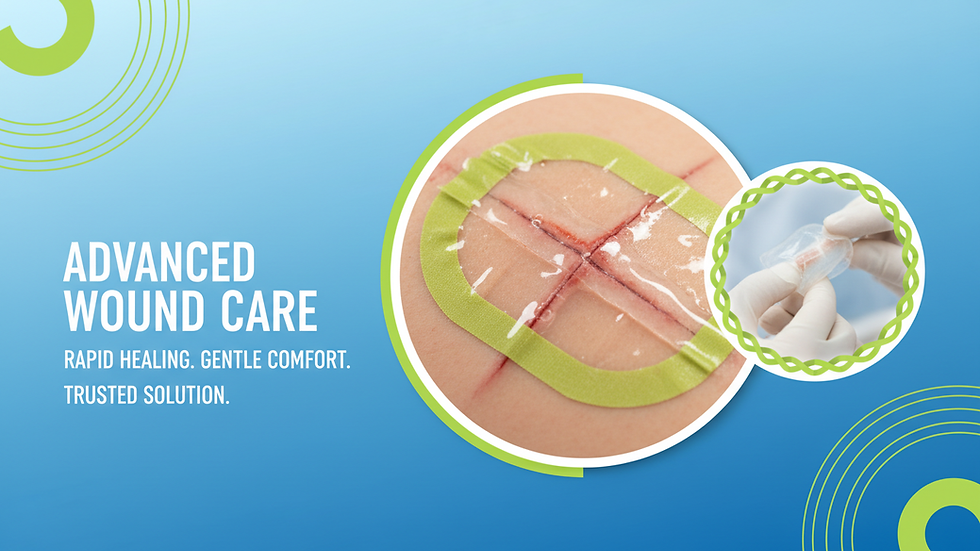
Do wounds heal faster, dry or moist?
You might wonder whether it’s better to let a wound dry out or keep it moist. Research and clinical experience show that moist wounds heal faster and with less scarring than dry wounds. Here’s why:
Moisture supports cell growth
New skin cells need a moist environment to migrate across the wound bed and close the gap.
Reduces pain and inflammation
Moist wounds tend to be less painful and have less swelling.
Prevents scab formation
Scabs can act as a barrier to new tissue growth and may cause wounds to reopen when they fall off.
Lowers infection risk
Proper moist dressings can protect the wound from bacteria while allowing oxygen exchange.
That said, the wound should not be overly wet or leaking, as excess moisture can cause maceration (softening and breakdown of surrounding skin). The goal is a balanced moist environment, which is why choosing the right dressing and changing it as advised is crucial.

How to speed up wound healing with lifestyle and home care
You play a vital role in your healing process. Here are some simple but powerful habits you can adopt at home:
Follow your wound care plan carefully
Change dressings as instructed, keep the wound clean, and watch for signs of infection like redness, swelling, or unusual discharge.
Stay hydrated
Water helps transport nutrients and oxygen to your wound. Aim for at least 6-8 glasses a day unless your doctor advises otherwise.
Get enough rest
Sleep supports your immune system and tissue repair. Try to get 7-9 hours of quality sleep each night.
Manage stress
Stress hormones can slow healing. Practice relaxation techniques like deep breathing, meditation, or gentle yoga.
Avoid pressure on the wound
If you have pressure injuries or ulcers, reposition yourself regularly to relieve pressure and improve blood flow.
Keep blood sugar under control
If you have diabetes, monitor your levels closely and follow your treatment plan to avoid delays in healing.
If you want to learn more about how to speed up wound healing, there are many resources and expert advice available to guide you.
When to seek professional wound care support
Some wounds need more than home care to heal properly. You should seek professional help if:
The wound is large, deep, or not healing after a few weeks.
You notice signs of infection such as increased pain, redness, warmth, swelling, or pus.
You have underlying conditions like diabetes, poor circulation, or immune disorders.
You experience fever or chills.
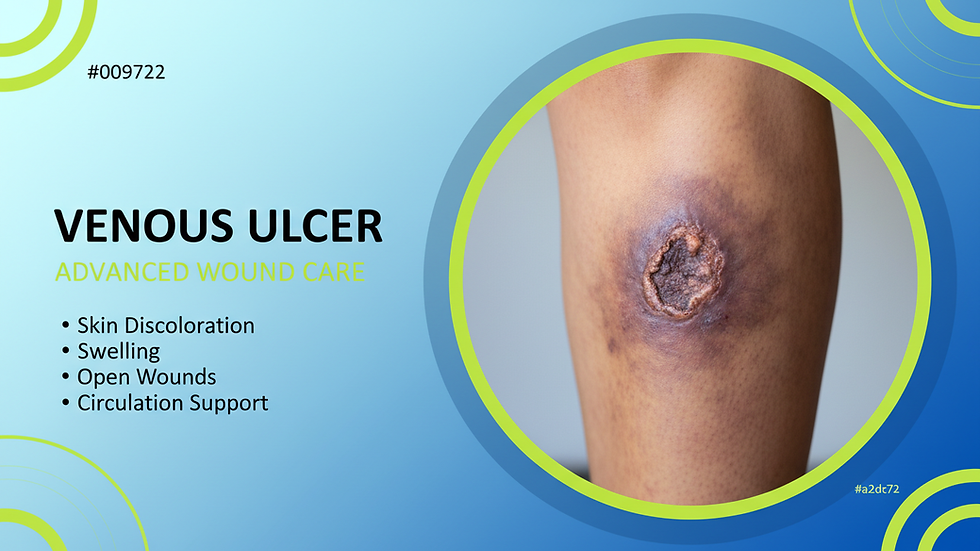
The wound is a pressure injury or diabetic foot ulcer.
Specialized wound care clinics offer advanced treatments, fast appointments, and often provide transportation to make access easier. These clinics use the latest techniques to help wounds heal faster and reduce complications.
Embracing hope and healing success stories
Healing a wound can feel overwhelming, but many people have successfully regained their health and quality of life with the right care. Stories of patients who overcame chronic wounds, diabetic ulcers, or post-surgical slow healing remind us that recovery is possible.
By following expert advice, staying consistent with care, and seeking help when needed, you can support your body’s natural healing power. Remember, every small step you take brings you closer to feeling whole again.
Taking care of your wound with kindness and knowledge is the best gift you can give yourself. With the right approach, you can accelerate wound healing techniques and move forward with confidence and hope. If you need support, advanced care, or transportation to a local clinic, help is available to guide you every step of the way.


Comments