Exploring Advanced Wound Care Solutions
- William Muro
- Feb 9
- 3 min read

When wounds don’t heal as expected, it can feel overwhelming and frustrating. We understand how challenging it is to manage chronic or hard-to-heal wounds. Thankfully, advances in wound care have brought new hope and effective treatments that can make a real difference. Together, we will explore these advanced wound care solutions, helping you feel empowered and supported on your healing journey.
Understanding Advanced Wound Care Solutions
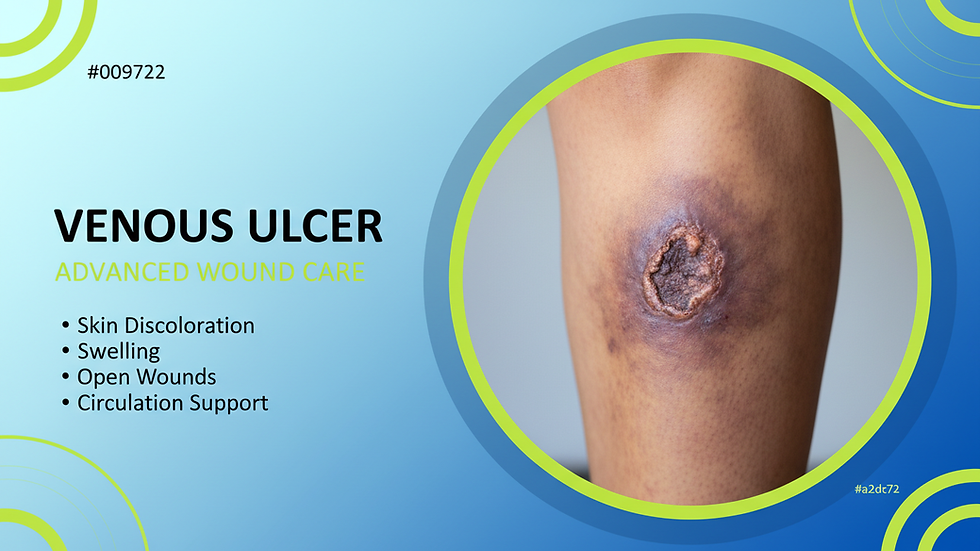
Advanced wound care solutions go beyond traditional bandages and ointments. They involve specialised techniques and products designed to promote faster healing, reduce infection risk, and improve comfort. These solutions are especially important for wounds that are slow to heal due to underlying health conditions like diabetes, poor circulation, or repeated trauma.
Some of the key components of advanced wound care include:
Moist wound healing: Keeping the wound environment moist encourages cell growth and tissue repair.
Infection control: Using antimicrobial dressings or therapies to prevent or treat infections.
Debridement: Removing dead or damaged tissue to allow healthy tissue to grow.
Pressure relief: Using specialised cushions or devices to reduce pressure on wounds, especially for bedsores.
Growth factors and skin substitutes: Applying products that stimulate tissue regeneration.
By combining these approaches, we can create a personalised care plan that addresses the unique needs of each wound and patient.

The Benefits of Using Advanced Wound Care Solutions
Choosing advanced wound care solutions offers many benefits that can improve healing outcomes and quality of life. Here are some of the advantages we often see:
Faster healing times: Advanced dressings and therapies create an optimal environment for tissue repair.
Reduced pain and discomfort: Moist dressings and gentle debridement techniques minimise irritation.
Lower risk of infection: Antimicrobial products help keep harmful bacteria at bay.
Improved mobility: Effective wound management can reduce swelling and pain, allowing more movement.
Better overall skin health: Supporting the skin’s natural healing processes helps prevent future wounds.
We encourage patients and caregivers to work closely with healthcare providers to select the best wound care products and strategies. This partnership is key to achieving the best possible results.
What is the most effective wound care?
When it comes to the most effective wound care, there is no one-size-fits-all answer. The best approach depends on the wound type, size, location, and the patient’s overall health. However, research and clinical experience highlight several effective methods:
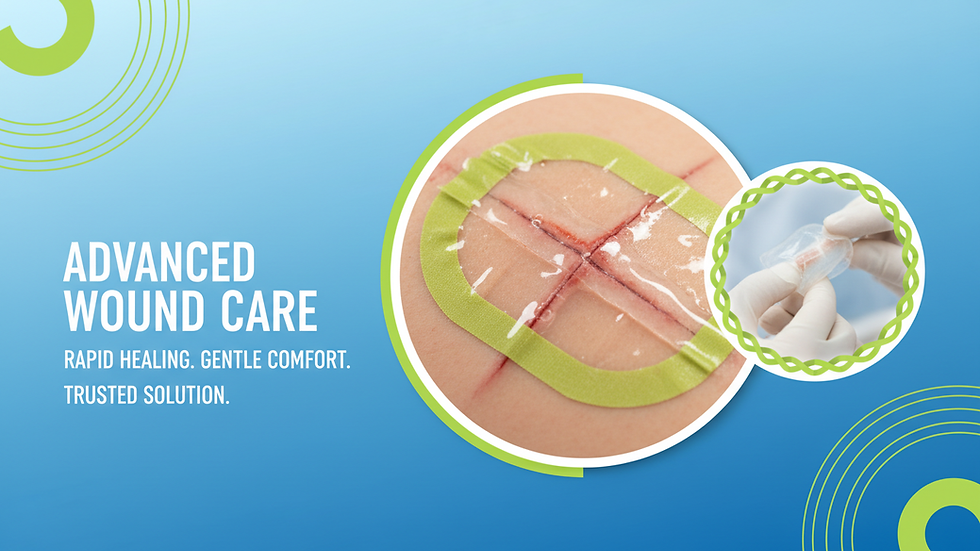
Hydrocolloid dressings: These maintain a moist environment and protect the wound from contamination.
Foam dressings: Excellent for absorbing excess fluid while cushioning the wound.
Negative pressure wound therapy (NPWT): A specialised vacuum system that promotes blood flow and removes fluids.
Enzymatic debridement: Using enzymes to gently remove dead tissue without harming healthy cells.
Bioengineered skin substitutes: These provide a scaffold for new tissue growth and can be especially helpful in diabetic foot ulcers.
The key is to tailor the treatment to the wound’s specific needs and to monitor progress regularly. Adjustments may be necessary to ensure the wound is healing effectively.

Practical Tips for Supporting Wound Healing at Home
While advanced wound care solutions are often provided in clinical settings, there are many ways to support healing at home. Here are some practical tips we find helpful:
Keep the wound clean and dry: Follow your healthcare provider’s instructions on cleaning and dressing changes.
Maintain a healthy diet: Nutrients like protein, vitamin C, and zinc are essential for tissue repair.
Avoid smoking and alcohol: These can slow down the healing process.
Manage underlying conditions: Control blood sugar levels if diabetic, and address circulation issues.
Protect the wound from pressure and trauma: Use cushions or padding as recommended.
Stay hydrated: Drinking enough water supports overall skin health.
Watch for signs of infection: Increased redness, swelling, or discharge should prompt medical advice.
By taking these steps, we can create a supportive environment that complements advanced wound care treatments.
Embracing Hope and Healing with Advanced Wound Care
Healing chronic wounds can be a long journey, but it is one filled with hope. Many patients have experienced remarkable improvements thanks to advanced wound care solutions. These treatments not only help wounds close but also restore confidence and comfort.
We want to remind you that you are not alone. With the right care, patience, and support, healing is possible. The top one advanced wound care providers in South Florida are dedicated to expanding access to specialised treatments that make a difference. Their compassionate approach ensures that every patient receives personalised care tailored to their unique needs.
If you or a loved one is facing a chronic wound, reach out for expert guidance. Together, we can take steps toward recovery and a better quality of life.
Thank you for joining us in exploring these advanced wound care solutions. Remember, healing is a journey we walk together, with care, knowledge, and hope lighting the way.

Comments